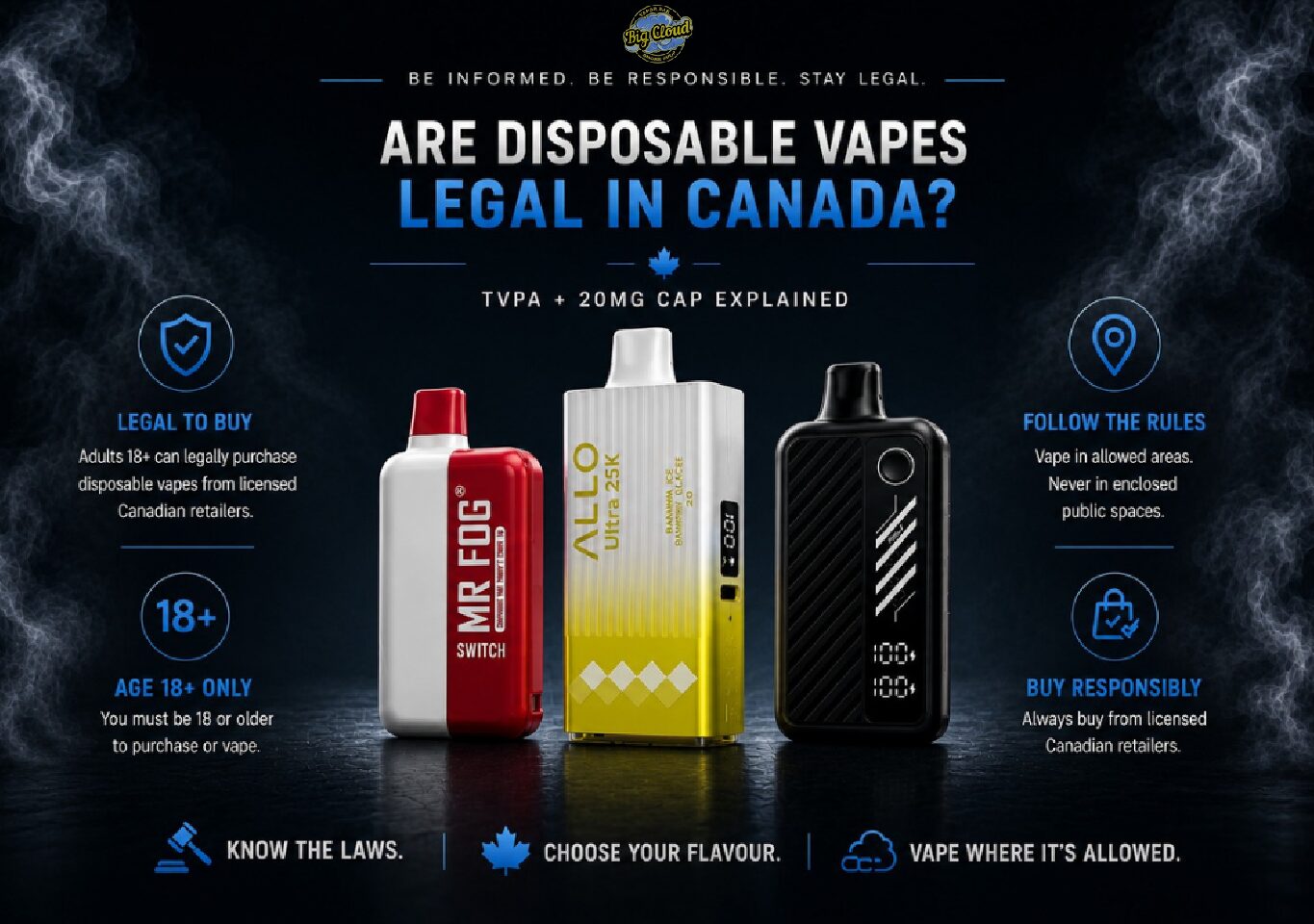
Are Disposable Vapes Legal in Canada? Yes. Canadian retailers can legally sell disposable nicotine vapes to adults in Canada, but the product, package, retailer and destination must all comply with federal and provincial rules.
Behind the counter at our Burnaby shop, we check the nicotine statement and excise stamp before discussing puff count, airflow or flavour. Canadian regulations limit nicotine disposables to 20 mg/mL. Canada does not recognize a package marked 5% or 50 mg/mL as a compliant nicotine disposable, even when the brand name looks familiar. Health Canada confirms that legal vaping substances sold in Canada contain no more than 20 mg/mL nicotine.
The number printed on the front also needs context. A rating such as 25,000 or 50,000 puffs is a manufacturer estimate, not a personal guarantee. From what we see in regular customer use, it is sensible to plan for a total roughly 30% to 40% below the advertised figure when draws are long, airflow is open or a higher-output mode is used.
Legal Disposable Vape Options for Canadian Adults
Disposable vapes remain legal for adult sale in Canada as of July 11, 2026. There is no federal ban on the entire category, although individual products can be illegal because of excessive nicotine, missing labels, incorrect excise stamps, prohibited flavours or an unlawful sale.
At the counter, we treat “legal” as a checklist rather than a brand claim. The device should have:
- no more than 20 mg/mL nicotine;
- required bilingual nicotine and hazard information;
- the correct Canada or jurisdiction-specific vaping excise stamp;
- sealed, child-resistant packaging where required;
- a flavour permitted in the customer’s province;
- age-verified sale and delivery.
Health Canada says legal vaping products must meet nicotine, packaging and labelling requirements, while CRA rules govern excise stamping. A device can look genuine and still be the wrong foreign-market SKU. That is why our team checks the Canadian package rather than relying on the shape of the device.
Our vapes category shows products listed for adult customers, but availability can change by flavour and destination.
What does the Tobacco and Vaping Products Act regulate?
The Tobacco and Vaping Products Act regulates the manufacture, sale, labelling and promotion of vaping products at the federal level, while also restricting youth access and the ways these products can be advertised.
Parliament amended and renamed the former Tobacco Act on May 23, 2018. For a customer standing at our counter, the practical effects are visible on the box: prescribed nicotine information, health warnings, restrictions on misleading claims and rules against youth-oriented promotion.
The TVPA is only one layer. Consumer-product safety rules also apply to ordinary nicotine vaping devices and substances. The Food and Drugs Act may apply to products promoted with therapeutic claims, while Separate cannabis legislation regulates cannabis vapes. This article deals only with consumer nicotine disposables.
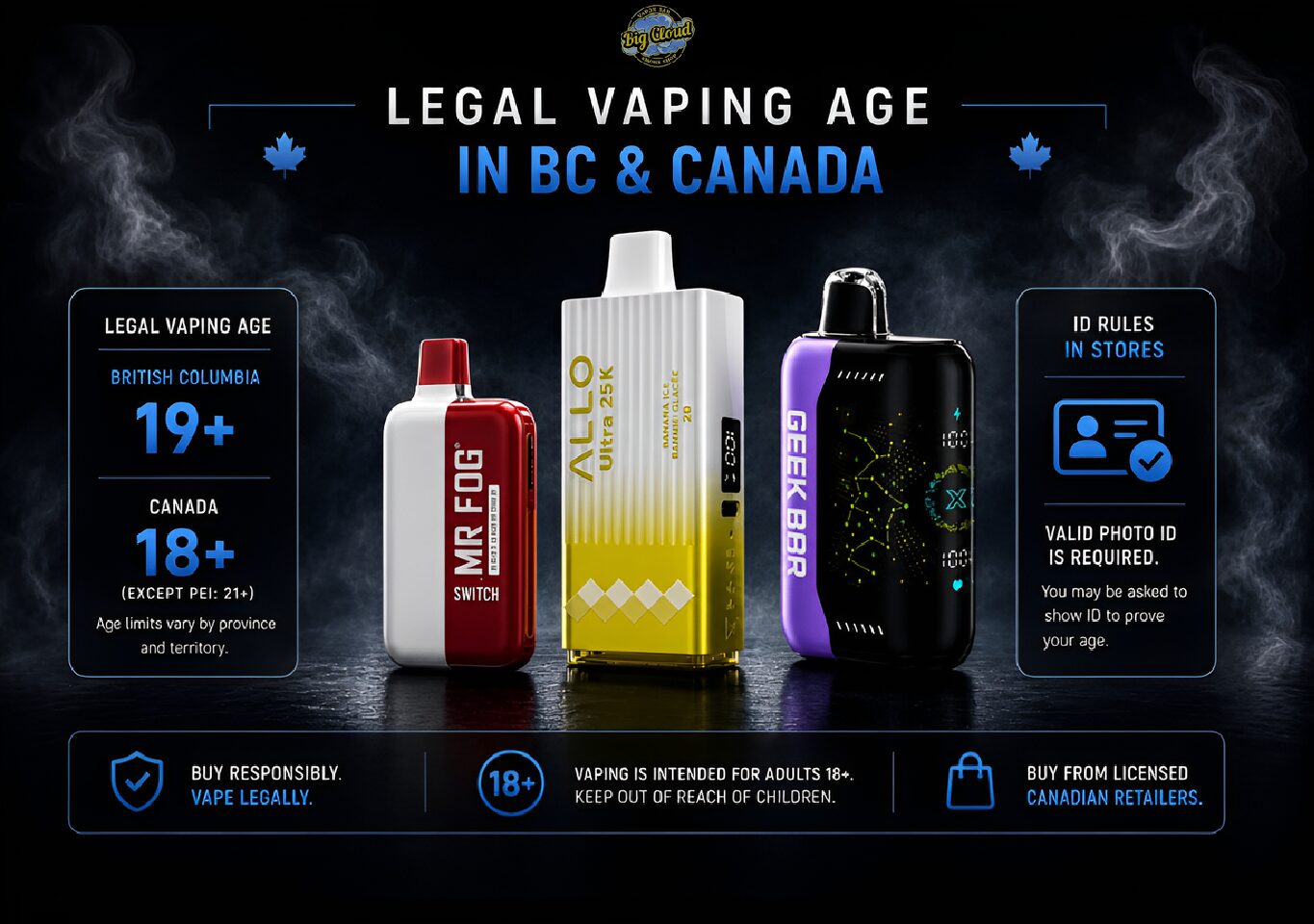
Federal law also prohibits sending or delivering vaping products to a young person. The Act sets age-verification conditions around delivery at age 18, while a province or territory may require a higher minimum age for the sale. In British Columbia, our legal selling age is 19.
When comparing Canadian-listed disposable devices, check the actual package and strength. A recognizable brand logo does not replace compliance. Branding alone fails that test.
What is Canada’s 20 mg/mL nicotine cap?
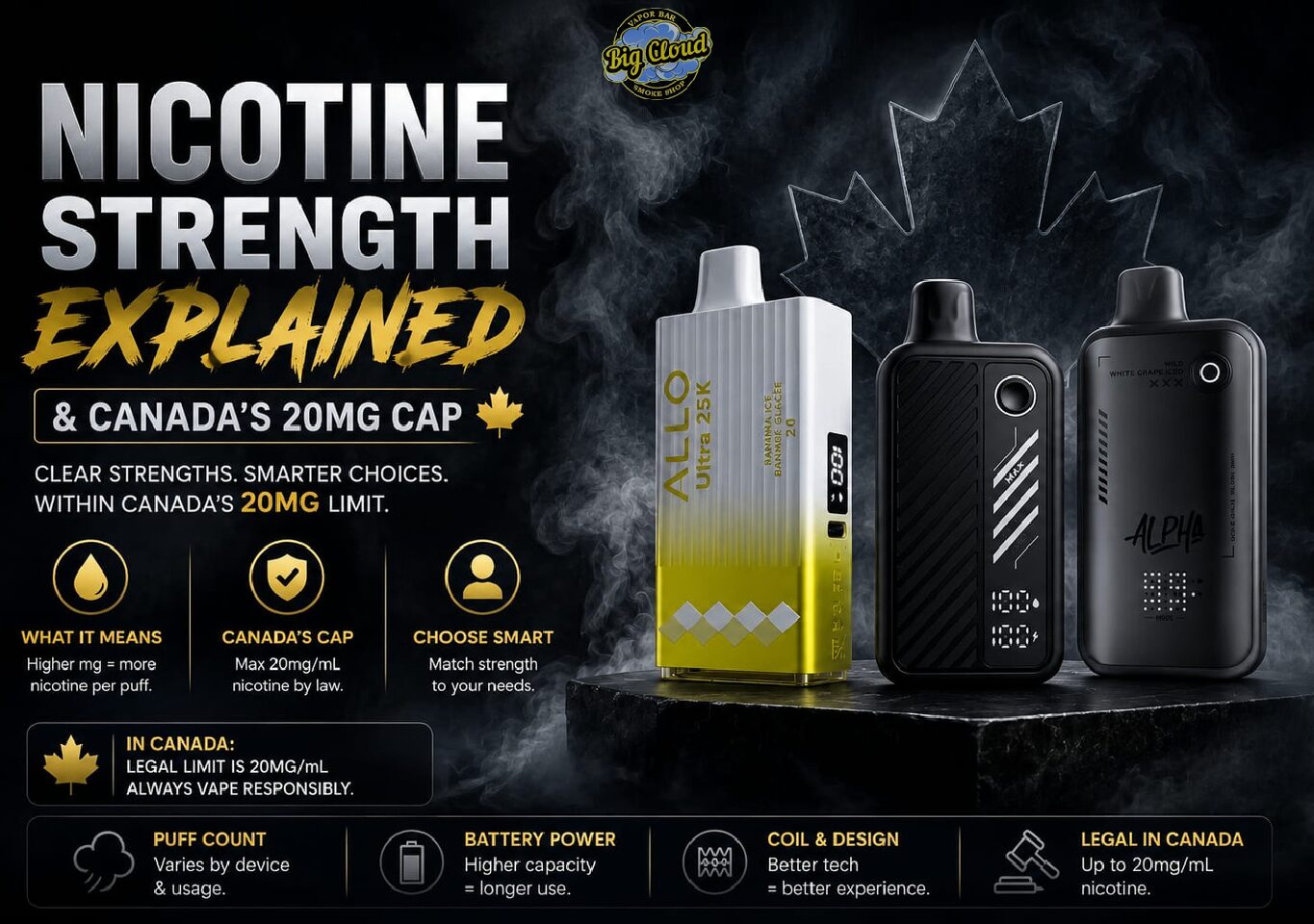
Canada limits vaping products sold in the country to a maximum nicotine concentration of 20 mg/mL. The federal limit has applied since July 2021.
The concentration may also be written as 2%. In ordinary vape labelling, 20 mg/mL and 2% describe the same concentration. A 5% label works out to about 50 mg/mL, which is more than twice the Canadian maximum.
If you’re unsure how mg/mL, percentages, and nicotine salts compare, read our guide explaining nicotine strength in Canada, including the difference between 20 mg/mL, 2%, 5%, and salt nicotine.
This is a common source of confusion in our shops. A customer may find the same device name on an American website, then expect that 5% version to be normal stock in Canada. It is not. Major brands often make different packages and strengths for different markets.
The cap controls concentration, not the printed puff rating. A large rechargeable disposable can still fit within federal nicotine rules if the liquid is 20 mg/mL or less and the rest of the product is compliant. Likewise, a small device can still be non-compliant if its nicotine strength is too high.
Check the strength on the package rather than guessing from device size. You can also compare legal-strength disposable options before narrowing the choice. Our 20 mg disposable vape listings provide a useful comparison point, but the box remains the final product-level check.
What excise stamp should a legal disposable vape have?
Manufacturers and importers generally must apply a vaping excise stamp before a vaping product enters Canada’s duty-paid retail market.
Federal vaping duty has applied since October 1, 2022, and CRA says products for non-participating provinces use the peach-coloured Canada vaping stamp. As of July 2026, that group is limited to British Columbia, Saskatchewan, and Newfoundland and Labrador.
Participating jurisdictions require products to display a jurisdiction-specific excise stamp. Ontario, Quebec, the Northwest Territories and Nunavut were already part of the coordinated system before the five jurisdictions highlighted in the brief. Alberta, Manitoba, New Brunswick, Prince Edward Island and Yukon joined on January 1, 2025. Nova Scotia followed in 2026, with its province-specific stamp required at retail from July 1, 2026.
For a Burnaby customer, we expect to see the peach-coloured Canada stamp because British Columbia is not currently a specified vaping province under this framework. A package carrying another province’s stamp is not automatically suitable for BC retail stock. Destination matters.
Look for the stamp across the package seal. Then check the nicotine statement, bilingual warning information and tamper condition. An excise stamp is a tax-compliance marker, not proof that every other part of the package is correct.
Do provincial flavour restrictions make some disposables illegal?
Yes. A disposable may meet federal nicotine rules but still be prohibited for sale in a province because of its flavour, capacity, retail channel or other provincial requirements.
The four provinces named in the brief do not share one simple “tobacco, mint and menthol” rule:
- Quebec: products with a flavour or aroma other than tobacco are prohibited, while unflavoured products are permitted. Quebec also has provincial capacity restrictions.
- Nova Scotia: Nova Scotia bans the sale of flavoured e-cigarettes and e-liquids. Do not assume a mint or menthol version is eligible.
- Prince Edward Island: tobacco-flavoured and unflavoured electronic smoking devices are the permitted flavour categories. Menthol is specifically treated as prohibited.
- New Brunswick: tobacco flavour or flavourless products are permitted; other flavours, including mint and menthol, are prohibited.
British Columbia allows restricted flavoured e-substances in age-restricted specialty vapour stores, subject to provincial product and retail rules. That is the framework under which our Burnaby location operates.
Provincial Flavour note: Big Cloud does not recommend fruit and other non-tobacco options for provinces where the law prohibits them. The customer’s destination must be checked before an order is accepted or shipped.
Review province-eligible disposable options with the destination in mind. Use our disposable vape catalogue as a catalogue, not as a promise that every flavour can be sold in every province.
Has Canada enacted a federal flavour ban or disposable-vape ban?
No. Canada has not enacted a federal ban on disposable vapes, and the Health Canada has not finalized the proposed federal flavour restrictions.
Health Canada’s 2026–2028 Forward Regulatory Plan still lists proposed rules that would restrict flavour promotion and sensory attributes to tobacco, mint or menthol and prohibit most other flavouring ingredients and sweeteners. The plan does not provide a final implementation date.
Provincial law already operates separately. Quebec, Nova Scotia, Prince Edward Island and New Brunswick have their own flavour restrictions today. Other provinces continue to permit a broader range through regulated adult retail channels.
We hear this question after news stories use phrases such as “Canada vape ban.” Our answer is to identify what was actually announced. Drafts are not law. A public-health recommendation or consultation does not change the shelf until the legal measure takes effect.
Because this area can move quickly, review current government guidance before updating the Big Cloud disposable collection or publishing a province-wide flavour statement.
How old do you have to be to buy a disposable vape in Canada?
The minimum age depends on the province or territory, but federal law prohibits furnishing or delivering vaping products to a young person and sets an age-18 verification framework for delivery. British Columbia requires buyers to be at least 19.
At our Burnaby and Vancouver counters, anyone who appears young should expect to show government-issued photo identification. No ID means no nicotine-vape sale. An adult also cannot purchase for a minor.
Online ordering does not remove that responsibility. A website age gate is not enough on its own. The buyer and the person accepting delivery must satisfy the applicable age rules, and the product must be legal in the destination province.
Adults using our online disposable vapes catalogue should enter accurate information and be prepared for verification at delivery or pickup.
How can you identify a compliant Canadian disposable?
Five checks. Review the strength, excise stamp, bilingual warning information, package seal and retailer source before a device reaches the counter.
Start with nicotine. Check that the package states no more than 20 mg/mL. Then examine the vaping excise stamp and make sure its jurisdiction matches the intended retail market. Health Canada also requires prescribed information, including the nicotine concentration and hazard details on nicotine-containing products.
Next, inspect the box. Avoid stock with a broken seal, poor printing, mismatched flavour labels or a sticker covering the original strength. Compare the exact product name with the Canadian listing. Foreign and Canadian versions can use a similar shell while carrying different liquid strengths.
The seller is part of the check. An established Canadian retailer should state the Canadian nicotine strength, enforce age restrictions and understand provincial availability. Unknown marketplace sellers and overseas shipments create a higher risk of receiving a foreign SKU or unstamped package.
Our team handles the products listed in Big Cloud’s Canadian-market disposable section, yet we still verify incoming packaging rather than treating a supplier invoice as the only proof.
Do puff count, battery features and power modes affect legality?
Puff count, screens, rechargeable batteries and adjustable output affect use and consumption rate, but they do not decide legality; nicotine, packaging, excise stamping, flavour rules and the sale itself do.
A manufacturer’s puff test normally uses short, controlled draws. Real customers do not inhale in identical cycles. Open airflow, longer draws and higher-output settings use more liquid per puff, so two people can get very different totals from the same model.
Behind the counter, we treat the rating as a comparison number. For planning purposes, a real result around 30% to 40% below the printed maximum is plausible. It can be lower again if the device is used heavily or kept in its highest mode.
Rechargeable does not mean refillable. Charge a disposable only as directed, keep it on a stable surface and stop using it if the body swells, leaks or becomes unusually hot. Do not dismantle the device to reach the battery or remaining liquid.
Which three Big Cloud disposable options are worth comparing?
Three current Big Cloud listings worth comparing are Flavour Beast Beast Mode Max 2, Allo Ultra 25K and the Mr Fog Switch line. Different jobs. The choice depends on whether the customer wants adjustable output, a simpler high-rating format or a familiar brand line whose exact SKU must be checked.
Flavour Beast Beast Mode Max 2
The Flavour Beast Beast Mode Max 2 is the clearest option for an adult who wants adjustable performance. Those are the verified claims. Flavour Beast’s Canadian site lists 20 mg/mL, four selectable modes and up to 50,000 manufacturer-rated puffs.
We do not publish an exact liquid capacity here. Two Canadian retailers list 20 mL, but the official Canadian product page reviewed does not clearly state that figure. Under the brief’s confidence rules, leaving it out is safer.


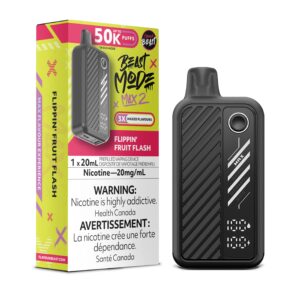
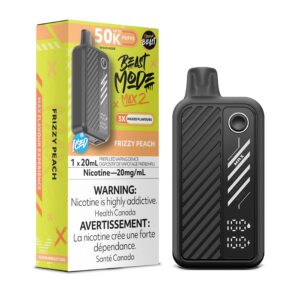
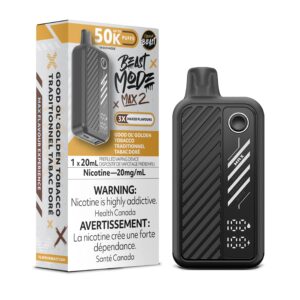
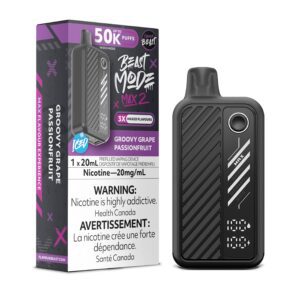
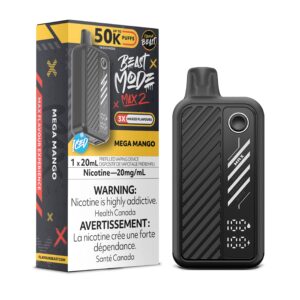
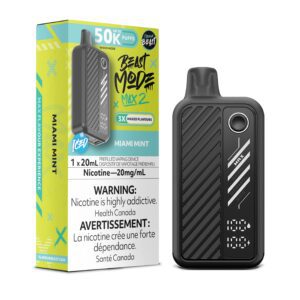
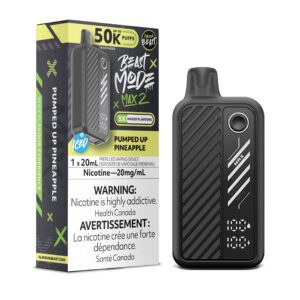
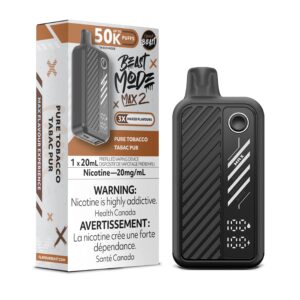
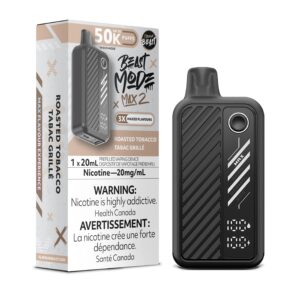
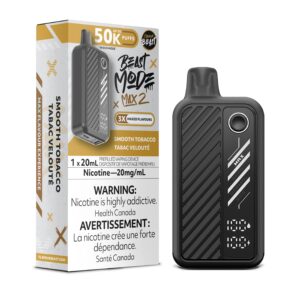
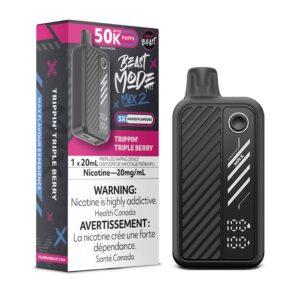
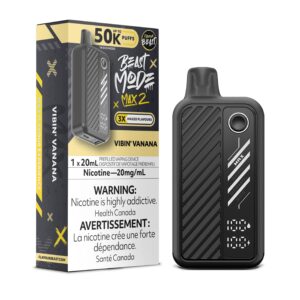
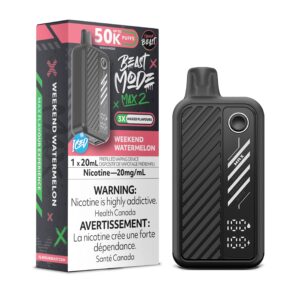
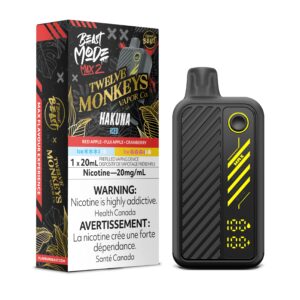
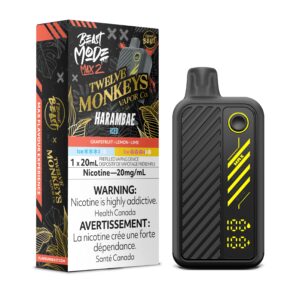
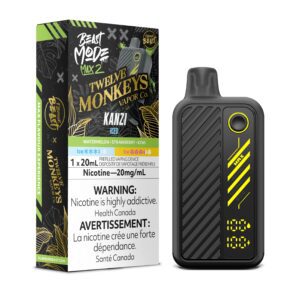
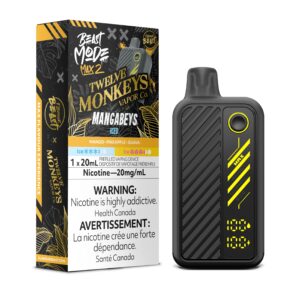
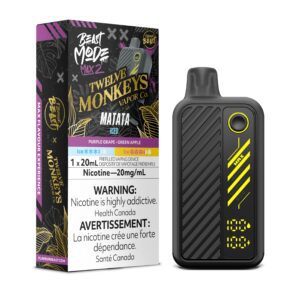


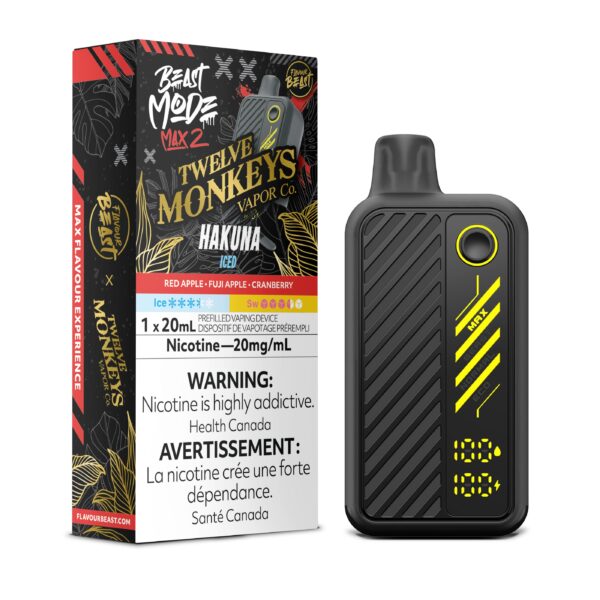
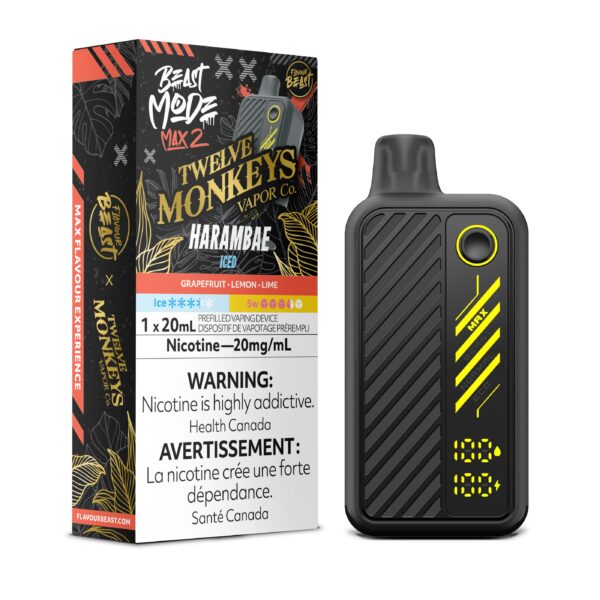
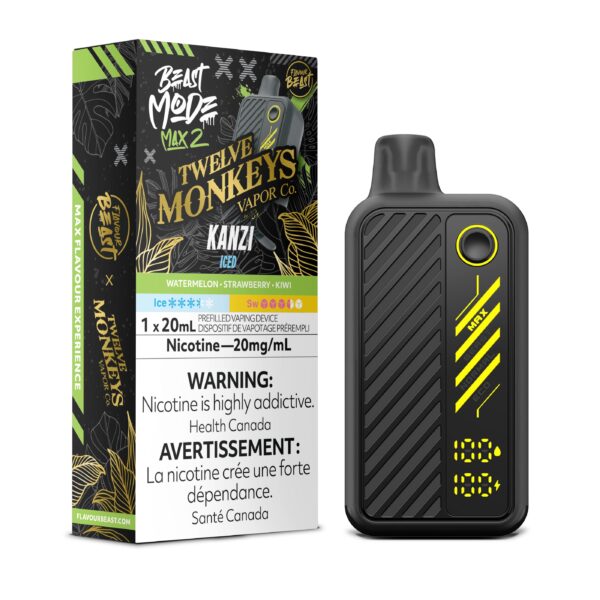
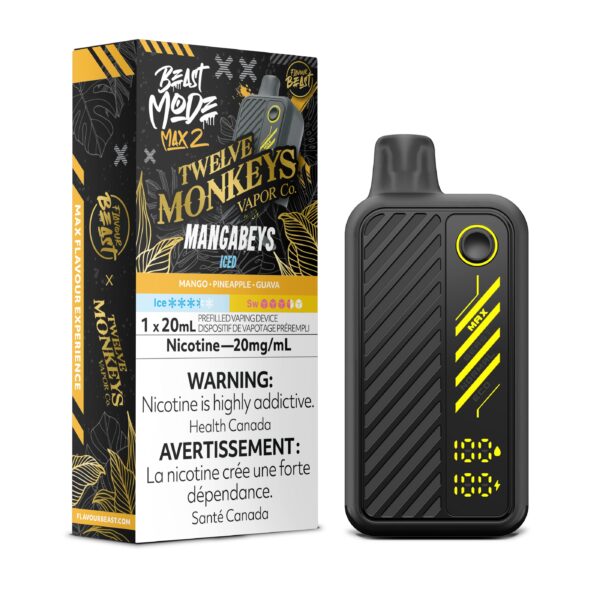
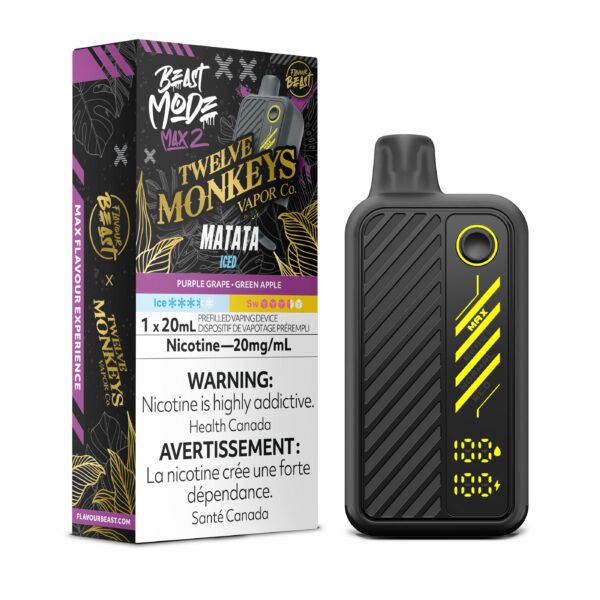
Flavour Beast Beast Mode Max 2 50K Disposable
50,000 puffs of bold flavour keep the good times going without a single refill.
- ✓50,000 puffs
- ✓20 mg/mL nicotine
- ✓USB-C rechargeable
- ✓21 flavours
- ✓Mesh coil flavour
At the counter, we would also explain that the 50,000 rating is tied to controlled use and lower-output operation. A customer using stronger modes should expect a lower total.
Allo Ultra 25K
The Allo Ultra 25K is the simpler comparison for someone who does not need several power modes. No capacity claim follows. Big Cloud lists the Canadian product at 20 mg, and Allo’s Canadian store markets the line at up to 25,000 puffs.
We deliberately omit the exact e-liquid capacity. Allo’s own Canadian pages conflict, with different capacity and nicotine statements appearing on different flavour pages. That prevents a high-confidence capacity claim until the manufacturer corrects or confirms the listing.



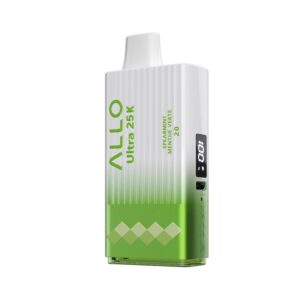


Allo Ultra 25K Puffs Disposable Vape [20mg]
Weeks of steady flavour in one device, no refills, no recharging your routine.
- ✓25,000 puffs
- ✓20 mg/mL nicotine
- ✓Dual mesh coil
- ✓USB-C rechargeable
- ✓Mouth-to-lung draw
- ✓19 flavour options
Check the received package for 20 mg/mL, the proper stamp and the selected flavour’s provincial eligibility.
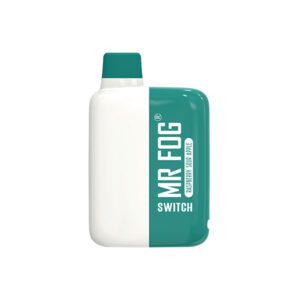
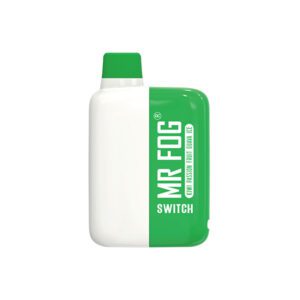
Mr Fog Switch line
The Mr Fog Switch line is best handled at brand level in this article. Big Cloud lists a Switch product at 20 mg/mL, The product page does not clearly identify the exact generation.
Mr Fog’s Canadian website publishes specifications for the SW15000, including a screen and selectable output, but those details should not be assigned automatically to every product called “Switch.” That was the SKU error in the first draft.
![Mr Fog Switch [20mg/mL] - Big Cloud Vapor Bar, Canada](https://bigcloudvaporbar.ca/wp-content/uploads/2023/07/SW10-Watermelon-Bubble-Gang-Ice-300x300.jpg)
![Mr Fog Switch [20mg/mL] - Big Cloud Vapor Bar, Canada](https://bigcloudvaporbar.ca/wp-content/uploads/2023/07/SW11-Blueberry-Kiwi-300x300.jpg)
![Mr Fog Switch [20mg/mL] - Big Cloud Vapor Bar, Canada](https://bigcloudvaporbar.ca/wp-content/uploads/2023/07/SW14-Bubble-Gang-Wild-Strawberry-Ice-300x300.jpg)
![Mr Fog Switch [20mg/mL] - Big Cloud Vapor Bar, Canada](https://bigcloudvaporbar.ca/wp-content/uploads/2023/07/SW15-Lemon-Strawberry-Kiwi-Watermelon-Ice-300x300.jpg)
![Mr Fog Switch [20mg/mL] - Big Cloud Vapor Bar, Canada](https://bigcloudvaporbar.ca/wp-content/uploads/2023/07/SW10-Watermelon-Bubble-Gang-Ice.jpg)
![Mr Fog Switch [20mg/mL] - Big Cloud Vapor Bar, Canada](https://bigcloudvaporbar.ca/wp-content/uploads/2023/07/SW11-Blueberry-Kiwi.jpg)
![Mr Fog Switch [20mg/mL] - Big Cloud Vapor Bar, Canada](https://bigcloudvaporbar.ca/wp-content/uploads/2023/07/SW14-Bubble-Gang-Wild-Strawberry-Ice.jpg)
![Mr Fog Switch [20mg/mL] - Big Cloud Vapor Bar, Canada](https://bigcloudvaporbar.ca/wp-content/uploads/2023/07/SW15-Lemon-Strawberry-Kiwi-Watermelon-Ice.jpg)


Mr Fog Switch [20mg/mL]
Six bold flavours and thousands of smooth puffs keep the flavour going strong from first draw to last.
- ✓5500 puffs
- ✓20 mg/mL nicotine
- ✓Mesh coil
- ✓USB-C rechargeable
- ✓650mAh battery
- ✓Adjustable airflow
Our shop-floor fix is simple: match the exact code on the box to the manufacturer page before describing modes, puff count, battery or liquid capacity. Until then, category language is more accurate.
These comparisons are for legal-age nicotine users. Nicotine is addictive, and people who do not use nicotine should not start. Health Canada’s vaping information page covers health risks, product safety and quitting information.
Can you take a disposable vape on a plane in Canada?
Yes, but it belongs in carry-on baggage or on your person, never in checked baggage, and protect it against accidental activation and never place it in checked baggage.
Cabin only. Transport Canada requires e-cigarettes there because an overheating battery can be identified and managed more quickly. Before boarding, turn off any controllable device, protect its button and keep it away from loose metal objects.
Airline rules and destination laws still apply. A device that is legal in British Columbia may be restricted or prohibited in another country. Check before travel, not at the gate.
What is the practical legal checklist for Canadian buyers?
A Canadian buyer should verify five things: 20 mg/mL or less, the correct excise stamp, compliant Canadian labelling, an age-verified sale and province-eligible flavour. That is the practical answer to whether a particular disposable is legal.
Do not make the decision from the puff number or logo. That difference matters. A 5% foreign version can look almost identical to a 20 mg/mL Canadian device, while a flavour sold through an adult-only BC shop may be prohibited at the customer’s destination.
Our team applies these checks before putting stock on the shelf. We check both. Adults can compare Big Cloud’s disposable vape listings, then verify the exact package before purchase.
FAQs
These answers cover the legal questions we hear most often at our Burnaby counter. The scope is narrow. Each answer assumes an ordinary nicotine disposable, not a cannabis or prescription product.
Are 5% disposable vapes legal in Canada?
No. A 5% nicotine statement usually means about 50 mg/mL, which exceeds Canada’s federal maximum of 20 mg/mL. The same brand may sell a separate Canadian version at a legal strength, but the 5% package is not a compliant Canadian nicotine disposable.
Is 20 mg the same as 2% nicotine?
Yes, in standard vape concentration labelling, 20 mg/mL is equivalent to 2%. Same concentration. Check that the package states it clearly and does not exceed 20 mg/mL; the cap does not apply to total liquid capacity or puff rating.
Do legal disposable vapes need an excise stamp?
Manufacturers and importers generally must apply a vaping excise stamp before selling vaping products in Canada’s duty-paid retail market. Ensure the stamp matches the intended jurisdiction: a peach-coloured Canada stamp for a non-specified province or a named jurisdiction-specific stamp where the coordinated additional duty applies.
Are flavoured disposable vapes legal everywhere in Canada?
No. Quebec, Nova Scotia, Prince Edward Island and New Brunswick impose strict flavour restrictions, and their details are not identical. Retailers should not ship or recommend fruit and other non-tobacco flavours to those provinces.
Has Canada banned disposable vapes?
No federal ban on disposable nicotine vapes is in force as of July 11, 2026. Health Canada continues to list proposed federal flavour restrictions, but a proposal is not an enacted ban. Provincial flavour, retail and tax rules still apply now.
How accurate are disposable-vape puff counts?
If puff count is one of your biggest considerations, our guide to the best disposable vapes in Canada explains how today’s 20K, 25K, 50K, 80K, and 100K devices compare in real-world use.
Can adults order disposable vapes online in Canada?
Adults can order from a compliant Canadian retailer where the sale and delivery are permitted. The retailer must follow age rules, and the selected nicotine strength, flavour and excise stamp must be suitable for the destination province. Online ordering does not override provincial restrictions.
Can a disposable vape go in checked luggage?
No. Transport Canada requires e-cigarettes to be carried in the aircraft cabin rather than checked baggage. Protect the device against accidental activation, do not charge it during the flight and review the airline’s instructions before departure.